[ close ]
Help Upgrade the Web: Download Firefox 3.6

27

Jan

See Me. Feel Me. Touch Me. iPad.

With all due respect to the Who, this is probably the perfect song to announce the unveiling of Steve’s latest baby, the iPad. I could rattle on about all the cool features, but why keep you from the video? Enjoy, my friends!


17

Jan

Top Ten Fonts of 2009


Looking back on 2009, it’s clear that it a banner year for fonts. Some of the most elegant and creative typefaces emerged last year. MyFonts has rifled through as many of them as they could, and thanks to the efforts of staff and fans the list was produced. Follow the link below for the “Top Ten”.
TOP TEN FONTS

17

Jan

Beware! Generosity isn’t scam proof


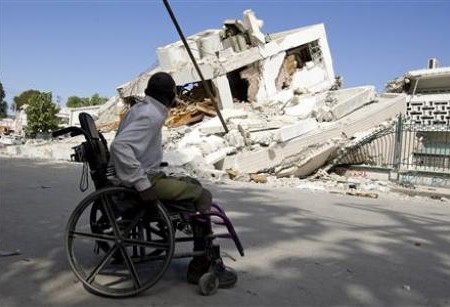
Sometimes the worst thing that can happen in a natural disaster isn’t the disaster at all. It’s the con game that springs up in the midst of the aftermath that leaves infectious scars.


Once the news broke about the devastating earthquake in Haiti, the U.S. government and other organizations quickly warned of scam artists trying to dupe people into sending them money intended for the victims. Such low-life hucksters know that once some people see video and photos of victims crying out for help, their generosity will trump their caution.


Just a day after the quake, the FBI issued a warning about Haiti-related scams. The Better Business Bureau’s Wise Giving Alliance also warned that fraudulent charities will probably emerge.


After hurricanes Katrina and Rita hit the Gulf Coast in 2005, the scam artists blew in as fiercely as the gale-force winds that accompanied the storms. So many popped up that the FBI partnered with the Justice Department, the Federal Trade Commission and other government agencies to form the Hurricane Katrina Fraud Task Force.


Don’t think you are too smart to avoid a scam. Crooks are clever, and the technology is so good that it’s easy to be duped.


No doubt you’ve seen the fraud warnings, but they are worth repeating. The FBI and the Better Business Bureau recommend the following:


  • – Don’t respond to any unsolicited incoming e-mail or click on links contained within those messages.
  •  

  • – Be skeptical of people who claim to be surviving victims. After Katrina, dozens of individuals were indicted for falsely representing themselves as such.
  •  

  • – Verify the legitimacy of nonprofit organizations. There are a number of Internet-based resources that can assist you in vetting a charity. For example, you can go to http://www.bbb.org/charity, http://www.charitywatch.org or http://www.guidestar.org.
  •  

  • – Make contributions directly to known organizations rather than going through third parties. Cutting out the middleman may help more of your money go to the relief effort.


If you suspect you’re the victim of a scam, file a complaint with the Internet Crime Complaint Center (www.ic3.gov/default.aspx), a partnership of the FBI, the National White Collar Crime Center and the Bureau of Justice Assistance designed to track and match related online criminal complaints.


Crooks will attempt to capitalize on the relief efforts in Haiti. If you want to make a donation, make sure your gift will be used for those in need.